News
Reading
General English
B1+
Digital Art Exhibitions Gain Popularity in Museums Worldwide May 2026
Museums around the world are increasingly including digital art in their exhibitions, attracting new and younger audiences. This trend shows how traditional art spaces are changing in response to modern technology.
Word count
243
Expected time
2m
Reading time
00:00
Reading speed
0 WPM
Fully clicked
0
Please login to save your reading statistics.
Premium audio reading
Choose a smoother voice and listen with natural speed.
Ready
Voice
Speed
0.90x
Museums around the world are increasingly including digital art in their exhibitions, attracting new and younger audiences. This trend shows how traditional art spaces are changing in response to modern technology.
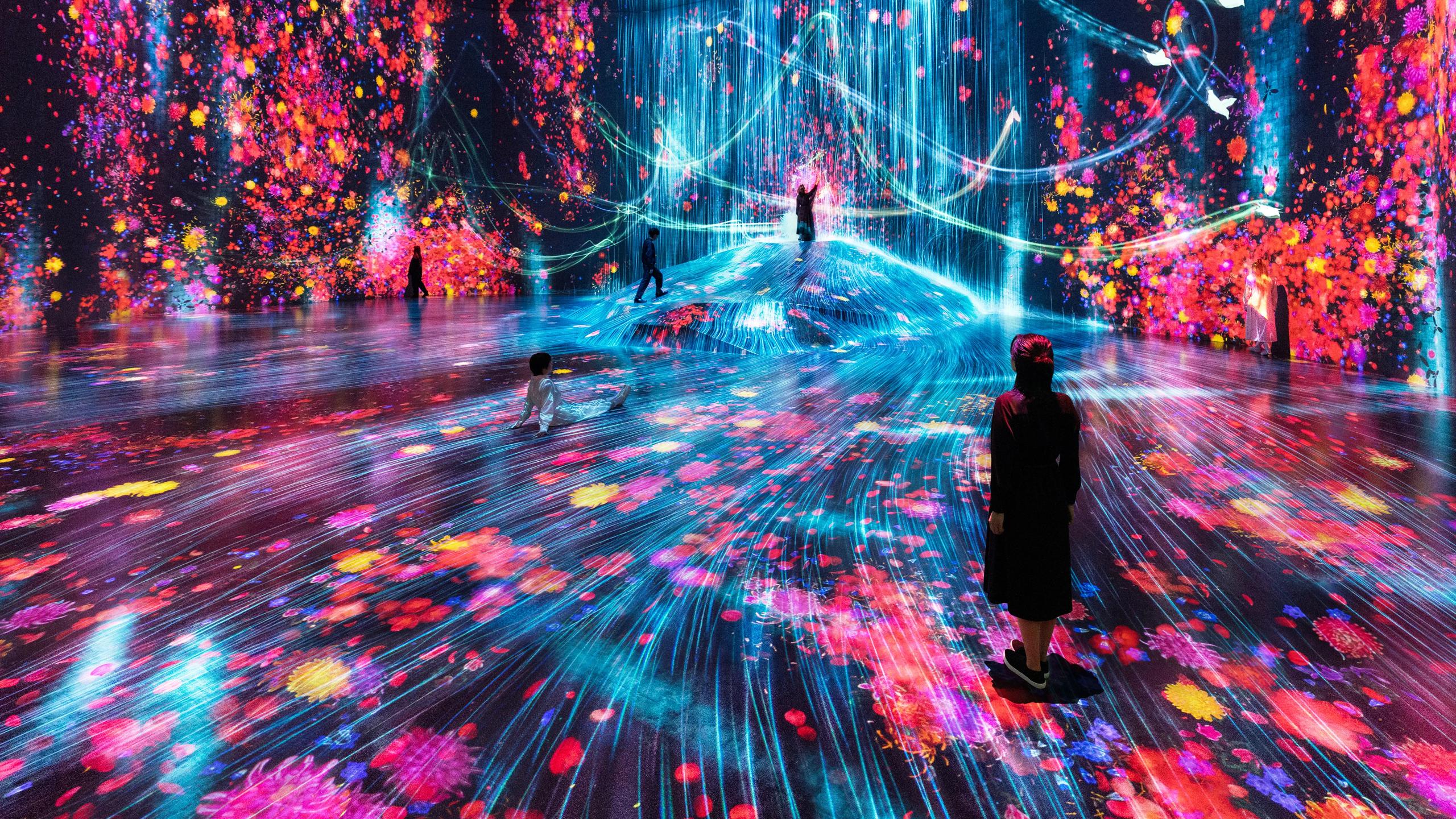
One recent example is the use of interactive displays and immersive rooms where visitors can experience artworks in a more visual and engaging way. Instead of only looking at paintings on walls, people can now walk through digital environments inspired by famous artists.
Institutions such as the Louvre Museum in Paris and the Van Gogh Museum in Amsterdam have introduced special exhibitions that combine classical paintings with modern digital effects. Works inspired by The Starry Night are often used in immersive shows because of their strong colors and emotional style.
Experts say this development helps make art more accessible. People who may not usually visit museums are more interested when exhibitions include technology, sound, and movement. It also helps visitors understand art in a more emotional and interactive way.
However, some critics believe that digital effects can reduce the value of original artworks. They argue that seeing real paintings in person is still important and cannot be replaced by screens or projections.
Despite different opinions, many museums continue to invest in digital experiences. Street artists such as Banksy have also contributed to this trend, as their works are often adapted into multimedia exhibitions.
Overall, digital art is becoming an important part of modern culture, changing the way people experience creativity and history.