English
Writing Task 2
General English
B2
TASK 2 You should spend about 40 minutes on this task. Write about the following topic: There are many different types of music in the world today. Why do we need music? Is the traditional music of a country more important than the International music t
The Need for Music: Traditional vs. International
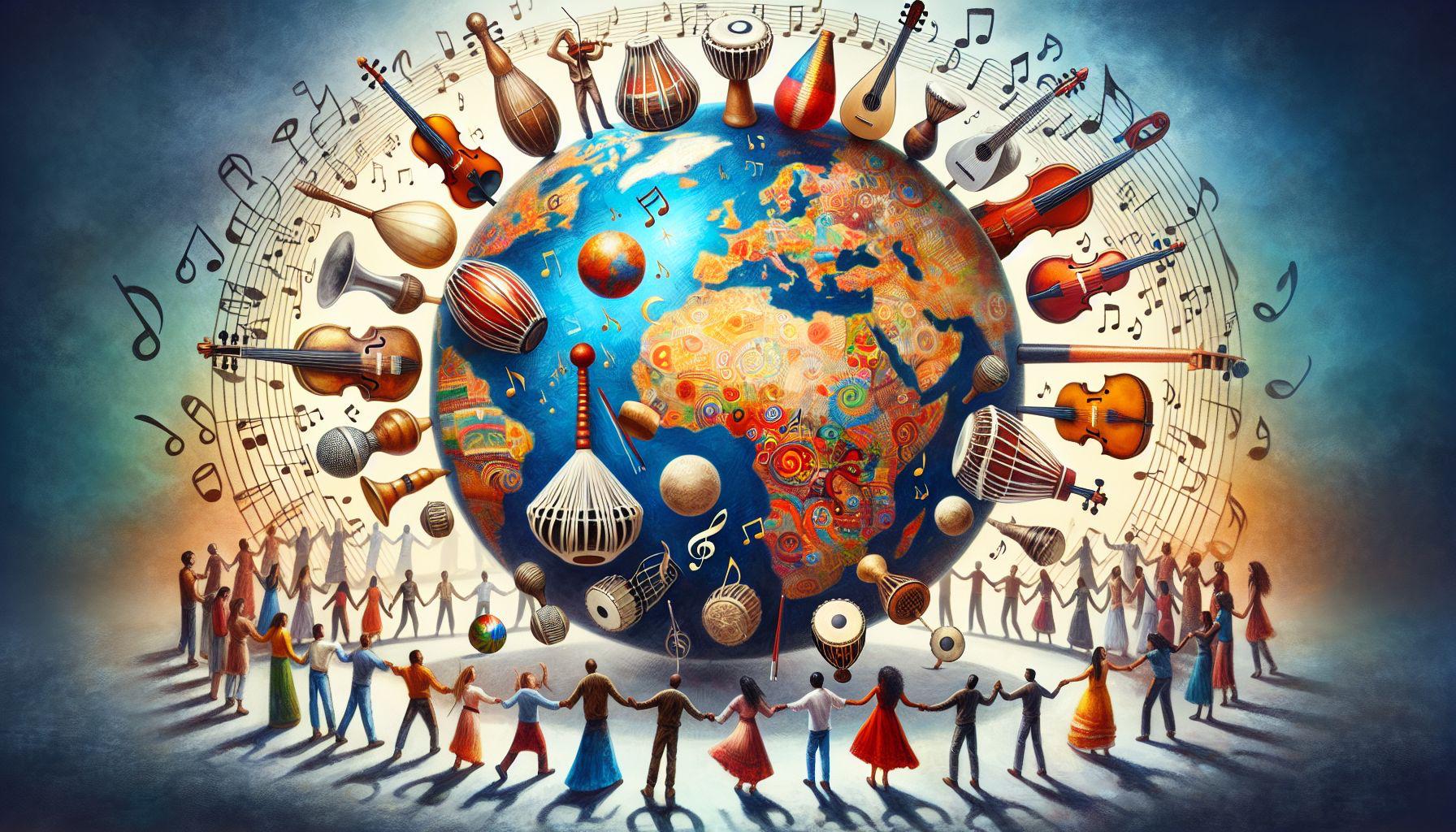
Music serves as a universal language that transcends borders, fulfilling emotional needs and connecting people across cultures.
Word count
288
Expected time
2m
Reading time
00:00
Reading speed
0 WPM
Fully clicked
0
Please login to save your reading statistics.
Premium audio reading
Choose a smoother voice and listen with natural speed.
Ready
Voice
Speed
0.90x
Sample Writing Answer
The Need for Music: Traditional vs. International
Music serves as a universal language that transcends borders, fulfilling emotional needs and connecting people across cultures. Its fundamental purpose lies in expressing human experiences that words alone cannot capture. From lullabies soothing infants to protest songs fueling social movements, music amplifies emotions and fosters shared understanding. A teenager streaming pop anthems to cope with loneliness and a farmer chanting work songs in rice fields both demonstrate how music addresses psychological needs regardless of technological context.
Regarding traditional versus international music, neither should be considered inherently superior. Traditional music acts as an acoustic archive preserving cultural identity. The complex rhythms of West African djembe drumming, for instance, maintain oral histories and community values that predate written records. Similarly, flamenco guitar techniques encapsulate centuries of Spanish Romani heritage through distinctive melodic patterns. These art forms become living museums safeguarding intangible cultural heritage against globalization's homogenizing effects.
Conversely, international music genres facilitate cross-cultural dialogue in our interconnected age. Reggae's evolution from Jamaican folk traditions to global protest music illustrates this perfectly - its offbeat rhythms now resonate with activists from Brazil to New Zealand. K-pop's worldwide dominance demonstrates how hybrid musical forms can create new cultural bridges, blending Korean traditions with Western pop sensibilities to forge a unique transnational identity.
Rather than competing, both musical traditions coexist and enrich each other. Colombian cumbia music gained renewed global popularity through modern electronic remixes, while traditional Indian ragas inspire jazz improvisations. This symbiotic relationship allows ancient musical wisdom to remain relevant while fresh interpretations keep cultures dynamically engaged. Ultimately, music's true value lies not in its origin but in its capacity to simultaneously root us in tradition and propel us toward global conversations.