English
Article
IELTS
B2
Breaking the Rules: Why Drivers Ignore Road Laws—and How to Fix It
Every country, whether bustling metropolis or quiet village, enforces its own set of road rules.
Word count
629
Expected time
4m
Reading time
00:00
Reading speed
0 WPM
Fully clicked
0
Please login to save your reading statistics.
Premium audio reading
Choose a smoother voice and listen with natural speed.
Ready
Voice
Speed
0.90x
Every country, whether bustling metropolis or quiet village, enforces its own set of road rules. These laws are designed to keep traffic flowing, protect pedestrians, and reduce accidents. Yet, from speeding in Los Angeles to ignoring red lights in Rome, a common thread weaves through nearly every nation: many drivers simply don’t obey the rules of the road.
This global phenomenon raises two important questions: Why do drivers flout traffic laws, and what can be done to encourage better behavior behind the wheel?
Why Drivers Break the Rules
Lack of Enforcement
One of the most significant reasons drivers ignore road rules is the low risk of getting caught. In many countries, especially those with limited police resources or weak infrastructure, enforcement is inconsistent at best. If someone can run a red light ten times and never get a ticket, the rule starts to feel optional. As the saying goes, “If no one’s watching, some won’t stop.”
Cultural Attitudes
In some regions, traffic violations are so common that they become socially acceptable. If everyone is speeding, tailgating, or parking illegally, individual drivers feel no pressure to follow the rules. In other words, behavior on the road often reflects broader cultural norms—rules may exist on paper, but if they’re not respected in practice, they quickly lose their meaning.
Poor Road Design and Infrastructure
Sometimes, drivers break rules because doing so feels safer or more logical than obeying them. For instance, unclear road signs, missing lane markings, or pothole-ridden streets can confuse or frustrate even the most conscientious driver. In these cases, people are not just rebelling—they’re adapting to poorly designed conditions.
Impatience and Stress
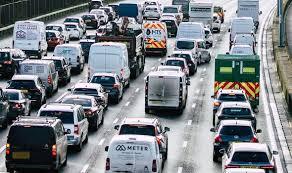
Modern life moves fast, and drivers often bring their stress and impatience onto the road. Long commutes, traffic jams, and time pressure can lead people to speed, change lanes recklessly, or skip stop signs in hopes of saving a few minutes. In the race against the clock, safety often takes a back seat.
How Can This Be Solved?
Stricter and Smarter Enforcement
Technology can be a game changer. Speed cameras, red light sensors, and dashcams have made it harder to get away with violations unnoticed. Countries like Sweden and Singapore have used automated enforcement systems to reduce traffic deaths dramatically. When people know they’re being watched, they’re more likely to toe the line.
Moreover, penalties need to be meaningful and consistent. In places where fines are minor or easily avoided, they lose their deterrent effect. Graduated fines, driving license points, and even temporary bans can encourage compliance—especially if they’re enforced fairly.
Public Awareness Campaigns
Changing behavior isn’t just about punishment—it’s also about education and mindset. Public campaigns that highlight the consequences of reckless driving (such as crash survivor testimonials, emotional ads, or statistics on fatalities) have been effective in countries like Australia and the UK. Creating emotional connections to road safety can shift public perception from “just a rule” to “a life-saving responsibility.”
Better Infrastructure and Road Planning
Good design leads to good behavior. Roads that are clearly marked, well-lit, and logically laid out make it easier for drivers to follow the rules. Pedestrian zones, roundabouts, and well-timed traffic lights can nudge drivers toward safer choices without them even realizing it. In the Netherlands, the concept of “self-explaining roads” has been implemented with success—designing roads that naturally encourage safer driving behavior.
Driver Education and Retesting
In many places, drivers take a test once in their youth and never again. But skills and awareness can fade over time. Some countries are now considering periodic driver retesting or mandatory refresher courses, especially for older drivers or those with repeat offenses. These initiatives help reinforce best practices and update people on changes in traffic laws.